
In today’s competitive online landscape, businesses don’t fail because of poor products — they fail because customers never find them. That’s why companies now face a critical decision: should they hire a remote digital marketing manager or partner with a full-service agency?
Both options promise traffic, leads, and growth. But the real question is — which one consistently delivers qualified enquiries instead of just reports and impressions?
This guide breaks down the differences based on cost, performance, communication, scalability, and ROI so you can make a smart long-term decision.
Understanding the Role of a Remote Digital Marketing Manager
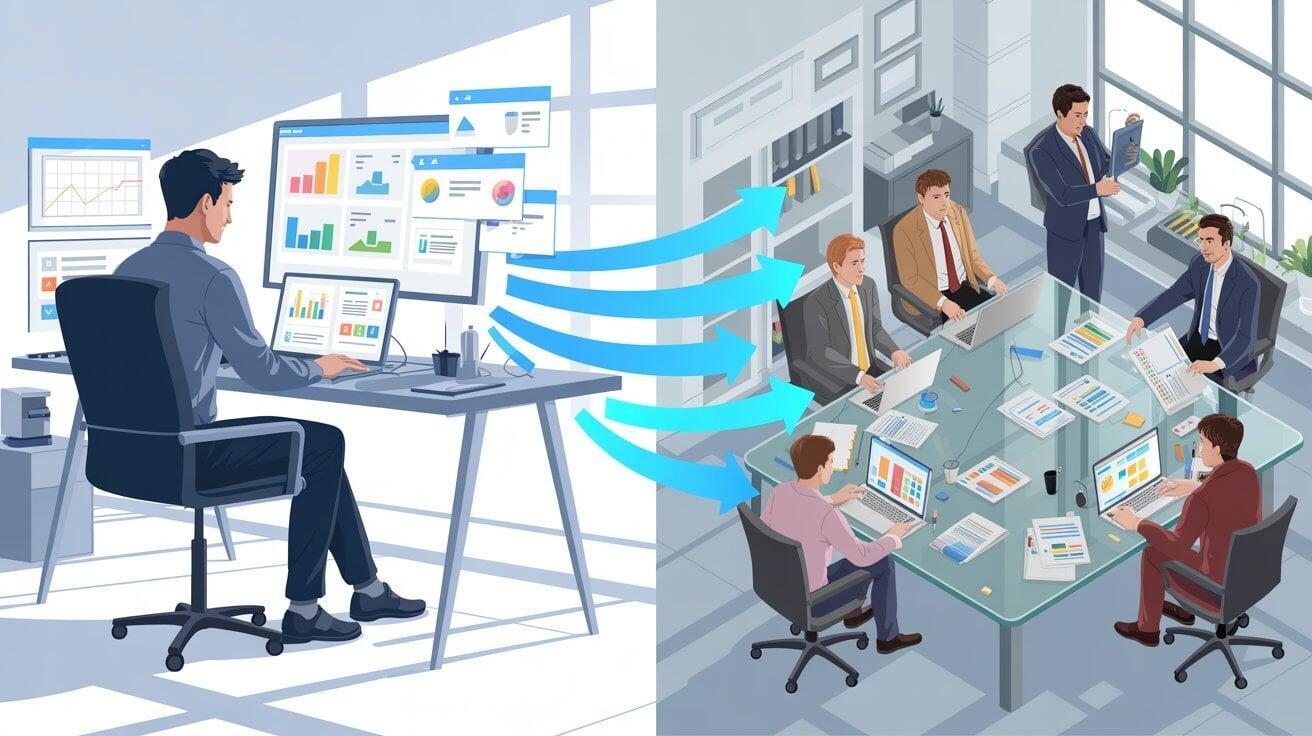
A remote digital marketing manager is a dedicated marketing professional who works as an external team member managing your online growth strategy.
Instead of selling predefined packages, they typically:
Analyze your business model
Understand your customer journey
Plan lead generation strategy
Manage platforms (SEO, ads, content, email, funnels)
Optimize continuously based on performance
Think of them less like a vendor — and more like a growth partner.
Unlike agencies, they don’t divide attention across dozens of clients using standardized workflows.
What a Marketing Agency Actually Provides
A digital marketing agency is a structured company offering multiple services through different departments such as:
SEO team
Ads team
Social media team
Designers
Agencies are excellent for companies needing large-scale operations, branding campaigns, or enterprise marketing systems.
However, their approach is usually process-driven rather than business-driven.
The key difference:
Agencies manage campaigns. A manager manages business growth.
Remote Digital Marketing Manager vs Agency: Cost Comparison
One of the biggest deciding factors is budget efficiency.
Agency Pricing Structure
Most agencies operate on package-based billing:
Fixed monthly retainer
Separate charges per service
Additional fees for revisions
Minimum contract duration (3–12 months)
You often pay for team infrastructure, office overhead, and management layers — not just execution.
Individual Manager Pricing
A remote digital marketing manager typically charges:
Flat monthly management fee
Flexible scope based on goals
Performance-focused priorities
No hidden department costs
For small and mid-size businesses, this often means:
30–60% lower cost per lead
Lead Quality: Who Actually Brings Customers?
Traffic alone is meaningless if it doesn’t convert.
Agency Approach to Leads
Agencies usually optimize for measurable metrics:
Clicks
Impressions
Reach
CTR
While important, these do not always translate into enquiries.
Their strategy often follows a platform-first approach:
Run ads → generate traffic → send report
Manager Approach to Leads
A remote digital marketing manager focuses on conversion journey:
Audience research
Offer positioning
Landing page optimization
Funnel improvement
Lead qualification
Instead of “more traffic”, the goal becomes:
More ready-to-buy prospects
Communication & Response Time
Agency Communication
Typical communication flow:
Client → Account Manager → Team → Execution → Report → Client
This layered structure causes delays:
Slow strategy changes
Ticket-based requests
Scheduled review calls only
Dedicated Manager Communication
With a remote digital marketing manager, communication is direct:
Client ↔ Manager ↔ Implementation
Benefits:
Faster decision making
Real-time adjustments
Business-specific strategy
Immediate campaign changes
Speed matters in marketing — especially ads and SEO trends.
Strategy Depth and Business Understanding
Agencies Work on Campaign Logic
They optimize platforms:
Improve ad performance
Increase rankings
Design creatives
But rarely analyze:
Sales objections
Customer psychology
Conversion bottlenecks
Managers Work on Business Logic
A remote digital marketing manager studies your entire growth system:
Why visitors don’t enquire
Which audience converts
What messaging works
Where leads drop off
This difference alone often determines lead quality.
Scalability and Flexibility
Agencies
Good for:
Large budgets
Brand campaigns
Multi-country marketing
Corporate structures
Weak for:
Frequent pivots
Experimentation
Early-stage businesses
Managers
Best for:
Service businesses
Local companies
SMEs
Startups validating offers
A remote digital marketing manager can quickly switch focus between SEO, ads, or conversion optimization based on performance.
Accountability: Who Owns the Result?
With agencies, responsibility is distributed across teams.
With managers, responsibility is centralized.
This changes behavior dramatically.
Agency Mindset
Deliver work as promised.
Manager Mindset
Deliver business outcome.
That difference impacts effort, creativity, and persistence.
Remote Digital Marketing Manager vs Agency: Real-World Scenarios
Choose an Agency If:
You need branding campaigns
You have a large corporate budget
You require a full creative department
You run multi-region operations
Choose a Dedicated Manager If:
You want consistent enquiries
You run a local or service business
You need strategic guidance
You care about ROI over activity
The Hybrid Model (Often the Best Solution)
Many growing companies now adopt a modern structure:
Manager controls strategy → Specialists execute tasks
In this model, a remote digital marketing manager supervises freelancers or small vendors only when necessary.
Advantages:
Lower cost
Expert supervision
Faster execution
Business-aligned campaigns
This often delivers the highest ROI.
Final Verdict: Which One Delivers More Leads?
If your goal is visibility, an agency works.
If your goal is enquiries and revenue, a dedicated manager usually performs better.
Why?
Because lead generation depends on understanding people — not just platforms.
Agencies scale processes.
Managers scale results.
So the right choice depends on what you truly want:
activity or growth.